Our Latest Articles
-
Offensive AI

AI-Enabled Security Testing: Count What Gets Verified and Fixed
AI tools now find real vulnerabilities in quantity, and the bottleneck has moved to verifying and fixing them. What full…
Read More » -
Agentic AI Security

What a Security Team Can Safely Delegate to AI Agents
Attackers now write malware for the AI that triages it. Which SOC work can safely go to an AI agent,…
Read More » -
AI Safety and Alignment
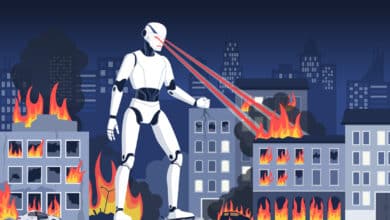
How a Misaligned AI Would Actually Take Power: The Attacker’s View
The people who build frontier AI ask how a model could ever take power. The July 2026 intrusions answered the…
Read More » -
AI Perspectives

No, GPT-6 Astra is not AGI. Nvidia’s CEO is wrong.
Astra fails five of the six AGI definitions that have any technical content behind them. OpenAI never formally declared AGI,…
Read More » -
AI Geopolitics

Reading Superpowers and AGI: Bombing Data Centres Is an Old Idea, and It Is Not Disarmament
A report on AGI and US-China competition spent last week being reported as a proposal to bomb Chinese data centres.…
Read More » -
AI Privacy

Federated Learning Privacy Depends on What the Server Is Allowed to Send
Federated learning keeps raw data on the device, and the security question that decides your actual risk is not whether…
Read More » -
AI Security

AI Model Security: How It Differs from Traditional Cybersecurity, and Where It Doesn’t
For most organisations, AI security is still conventional security applied to an unfamiliar stack. Where AI does add new failure…
Read More » -
AI Security
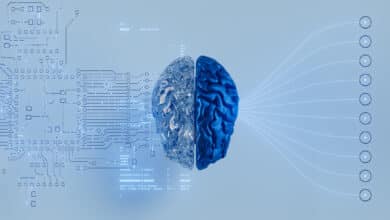
Adversarial Training: What It Buys, What It Costs, and Where It Stops Working
Adversarial training is the one defence against adversarial examples that keeps surviving adaptive attack. It also costs an order of…
Read More » -
AI Security

Robust Optimization Is the Only Defence That Held, and Only Inside Its Own Threat Model
Adversarial training as robust optimization is the only defence in fifteen years of adversarial machine learning that has survived attacks…
Read More »